

Shop Handmade Decor in Germany
Shop Authentic Handmade Decor in Germany: Artisan Home Accessories and Unique Gifts
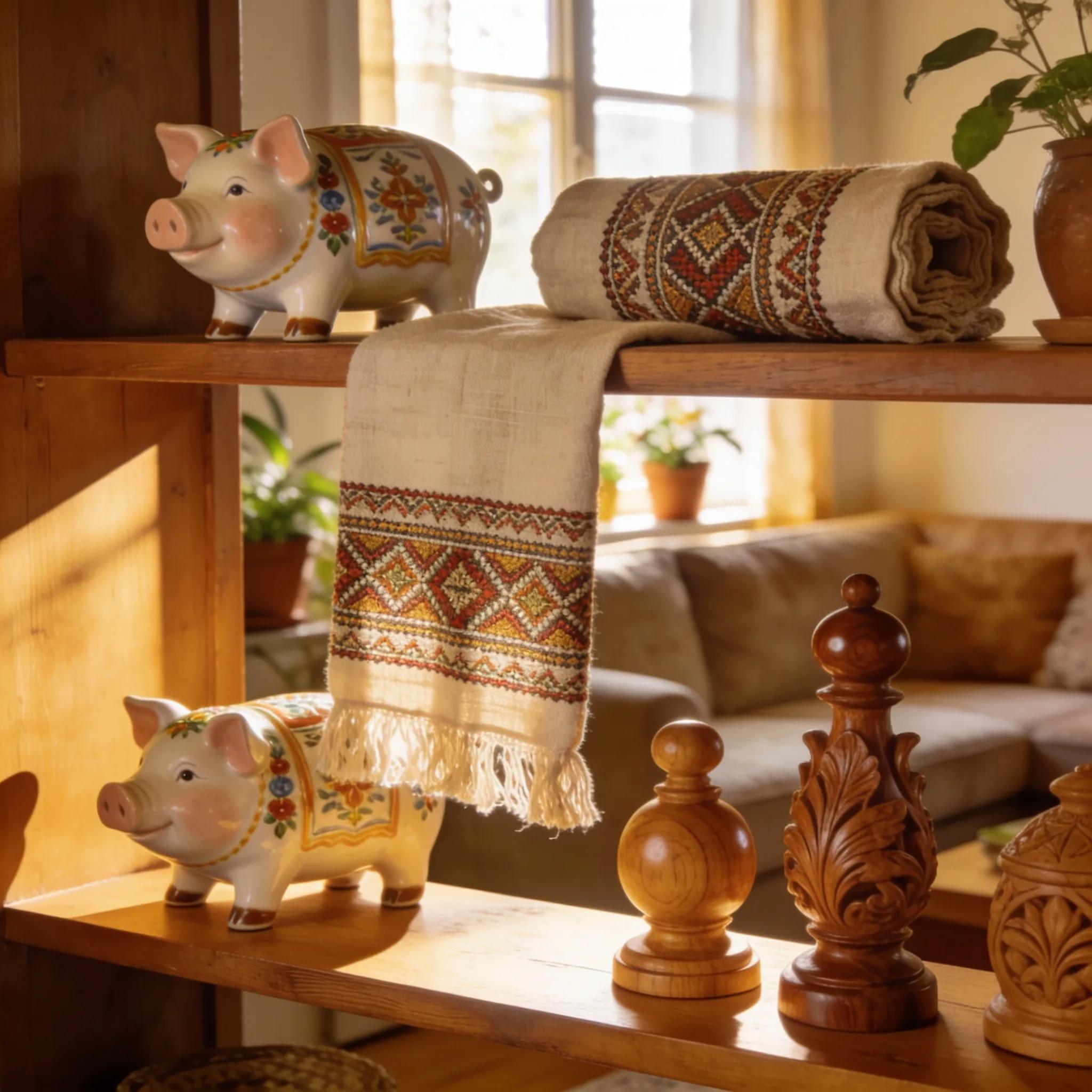
Exploring the world of handmade decor in Germany reveals a rich tapestry of craftsmanship that melds tradition with creativity. Handmade decor is not merely decor; it embodies the cultural essence and heritage of a region, serving as a unique gift option that fosters connections and memories. In this guide, readers will discover what makes traditional German handmade decor distinctive, including the influential materials and techniques involved in crafting these items. From iconic products like pig figurines to sustainable practices shaping the market today, the article aims to inform and inspire those looking to acquire handmade decor. Additionally, we'll highlight trustworthy sources for these artisan goods, ensuring retailers can confidently source quality items. Finally, effective strategies for promotion and acquisition of these treasures will be unpacked, offering insights into the growing ecommerce landscape.
What Defines Traditional German Handmade Decor and Its Unique Value?
Traditional German handmade decor signifies an enduring legacy, characterized by an intricate blend of artistry and functionality. Its distinctiveness lies in the use of local materials and time-honored techniques that reflect the cultural heritage of various regions. Artisans often draw from age-old traditions, ensuring that each piece is not merely a product, but a storytelling artifact that embodies craftsmanship. This rich narrative enhances its value, making each item a cherished possession.
Which Materials and Crafting Techniques Are Typical in Germany?
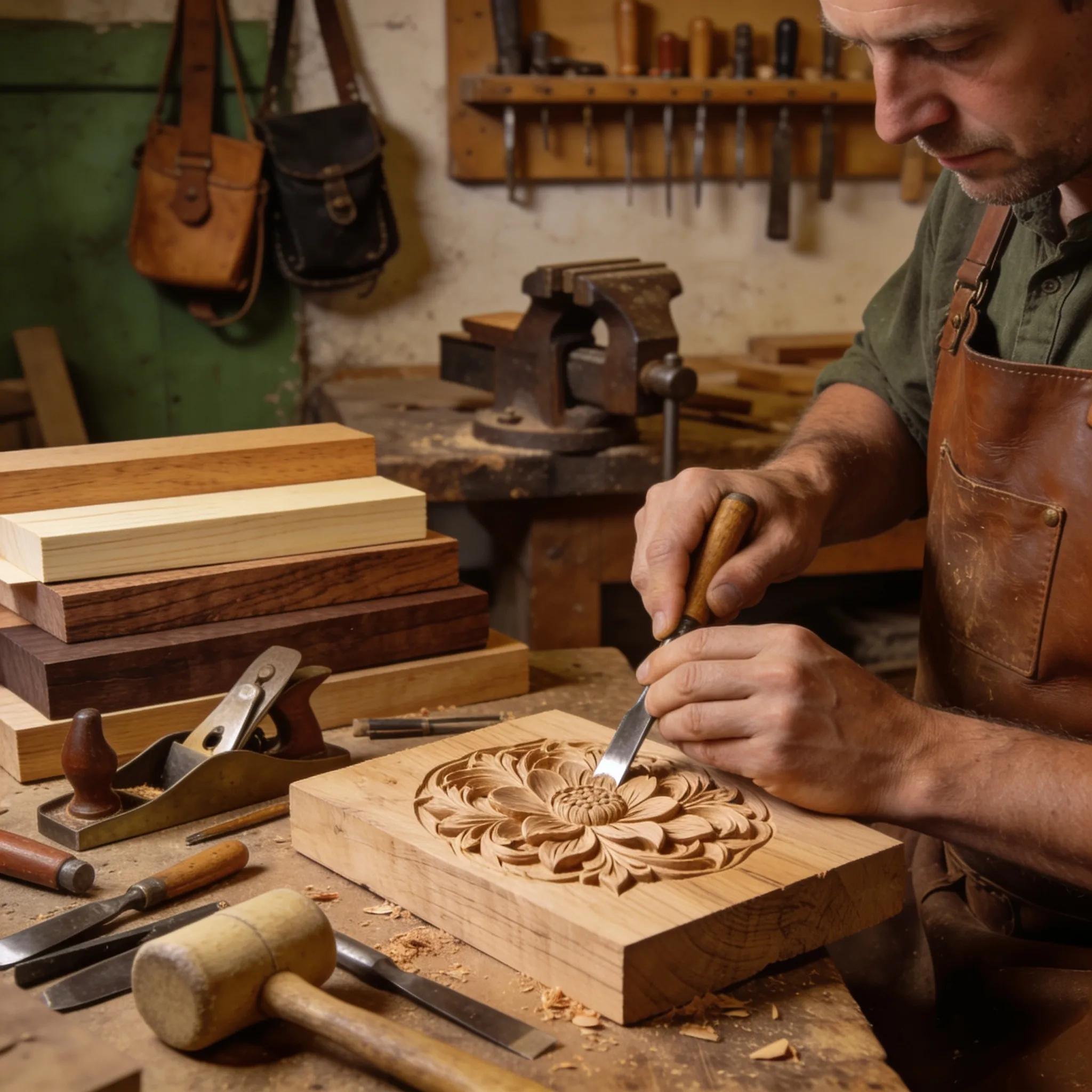
In German handmade decor, several common materials are frequently used, including wood, ceramic, and textiles. Wood, sourced from local forests, is often transformed into beautifully crafted items through techniques such as carving and turning. Ceramic artworks showcase traditional glazes and motifs, while textiles highlight intricate stitching and weaving methods. Region-specific crafting techniques, like those from the Erzgebirge for wooden toys, further illustrate the localized character of German decor.
How Do German Cultural Heritage and Artisan Craftsmanship Influence Handmade Decor?
Cultural heritage profoundly impacts the design and production of handmade decor in Germany. The historical context of crafts is vividly illustrated during festivals where artisans showcase their skills, passing down techniques through generations. This connection to tradition not only preserves cultural identity but also imbues each product with significance. Artisans take pride in their work, often using traditional motifs that evoke local stories and folklore, thus enriching the cultural tapestry of handmade goods.
What Iconic Handmade Products and Decorative Items Can You Find in Germany?
Germany is home to a variety of iconic handmade products that reflect its artisan heritage. Among these, pig figurines stand out for their cultural significance and playful craftsmanship. Unique gifts from various regions also showcase the diversity of styles and techniques, making Germany a treasure trove for those seeking special home accessories.
Why Are Pig Figurines Considered Symbolic German Handcrafted Gifts?
Pig figurines, often given as gifts for good luck and prosperity, hold a special place in German culture. Historically, these figurines have been associated with the idea of luck, particularly in the New Year’s festivities. Crafted carefully from ceramic or metal, artisans emphasize fine details, ensuring each piece captures the whimsical charm that resonates with both locals and visitors. The vibrant finish further enhances their appeal, making them sought-after collectibles and souvenirs.
Which Other Folk Art and Ornament Categories Represent German Handmade Decor?
Other folk art categories enriching German handmade decor include traditional wooden nutcrackers and intricate paper stars. Each represents regional specialties; for instance, nutcrackers from the Erzgebirge are known for their detailed craftsmanship and unique designs. Paper stars, crafted during the Christmas season, showcase the intersection of artistic creativity and cultural traditions, offering glimpses into the seasonal festivities that define many German communities.
Where Can Retailers Find Trusted Sources for Locally Made Handmade Decor in Germany?
For retailers interested in sourcing authentic handmade decor in Germany, several trusted artisan marketplaces and specialty shops offer an extensive selection. Utilizing these sources ensures access to high-quality items while supporting local artisans.
Which Artisan Marketplaces and Specialty Shops Offer Authentic Products?
Retailers can explore well-known artisan marketplaces such as the Weihnachtsmarkt during the holidays, where local artisans come together to sell their handcrafted goods. Additionally, specialty shops, including small family-owned businesses, often carry unique decor, providing a more personal shopping experience. Notable stores in major cities like Munich and Berlin host collections that celebrate the diversity of handmade crafts, ranging from textiles to ceramics.
How Can Retailers Verify Authenticity and Quality of Handmade German Decor?
Verifying the authenticity and quality of handmade German decor requires diligence. Retailers should look for craft certifications and labels that indicate local production. Learning about the artisan’s background, including their crafting techniques and origin of materials, can also help in ensuring product integrity. Understanding the hallmark standards that come with various decorative items can provide additional assurance of quality to consumers.
How Do Sustainable and Locally Sourced Handmade Decor Trends Impact the German Market?
Current trends in sustainability significantly impact the handmade decor market in Germany. Consumers increasingly prefer eco-friendly products that not only reflect their values but also support local artisans and contribute to environmental preservation.
What Are the Benefits of Eco-Friendly Materials and Practices in German Crafts?
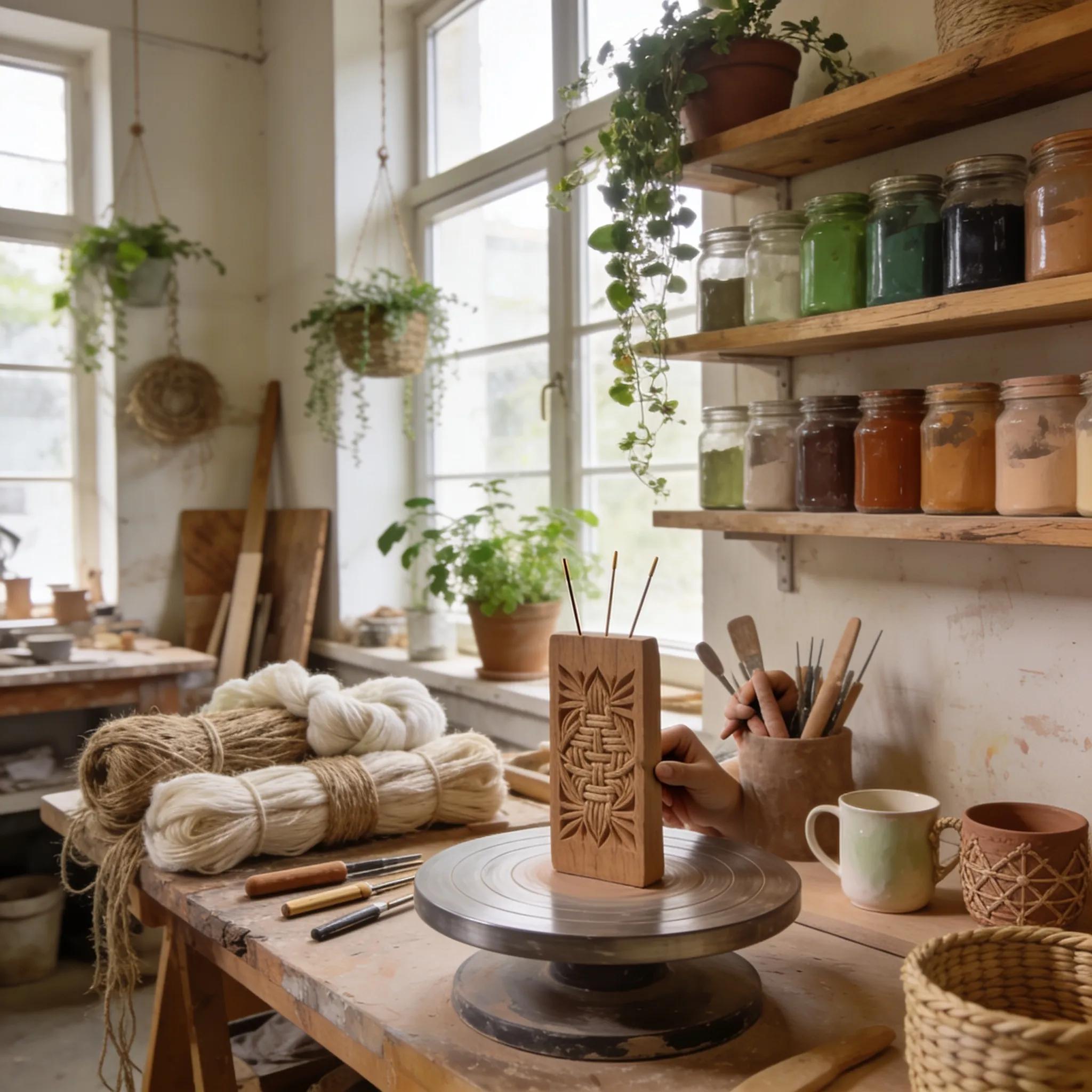
Using eco-friendly materials enhances the appeal of handmade decor, offering benefits to both the environment and consumer health. Artisans committed to sustainability often choose natural fibers and non-toxic paints, fostering a safer product for consumers. These practices align with growing consumer preferences for transparency in sourcing, thus promoting a deeper connection with the products they buy.
How Is Consumer Demand Shaping the Growth of Handmade Decor Ecommerce in Germany?
As the demand for unique and sustainable decor grows, so does the ecommerce landscape. Statistics indicate that more consumers are turning to online platforms for purchasing handmade goods, driven by the ease of access and a desire for curated selections. The rise of social media has also expanded visibility for artisans, allowing them to connect with wider audiences and share their stories, thereby enhancing brand loyalty and sales.
What Are Effective Strategies to Promote and Acquire Handmade Decor in Germany?
Effective marketing and promotion strategies are essential for maximizing the visibility of handmade decor. Artisans and retailers can utilize structured data and storytelling techniques to enhance consumer engagement and drive sales.
Which Structured Data and SEO Tactics Enhance Visibility of Handmade Decor Online?
Incorporating structured data into product listings improves search engine visibility, helping potential customers find unique handmade items more easily. Utilizing schema markup for product descriptions can enhance richness in search results, attracting targeted traffic. Additionally, emphasizing local craftsmanship through content optimization can resonate with consumers keen on supporting small businesses.
How Can Retailers Leverage Artisans’ Stories and Product Quality to Build Credibility?
Retailers can build credibility by sharing the stories of the artisans behind the products. Highlighting the craftsmanship and personal narratives tied to each piece creates a deeper connection with consumers. By showcasing detailed product descriptions and emphasizing quality, retailers can foster trust and encourage repeat purchases, solidifying consumer loyalty in a competitive market.