

Eco-Friendly Handmade Piggy Banks for Sustainable Savings
Handcrafted Sustainable Piggy Banks for Eco-Friendly Savings Solutions
By Cristian Tomescu, Golden Pigs
In a world increasingly focused on environmental sustainability, handcrafted eco-friendly piggy banks offer a unique way to encourage saving while also promoting responsible consumerism. These charming items not only serve their traditional purpose of saving money but also stand as symbols of sustainable practices. This article will delve into what makes a piggy bank eco-friendly, exploring materials, handcrafted uniqueness, and benefits for both individual savings and sustainable gift-giving. We will discuss how artisans create these products, the direct-to-customer sales model that supports sustainable commerce, and how retailers can effectively market these eco-conscious items. By the end of this guide, you'll appreciate the artistry of these piggy banks and discover how companies like Golden Pigs are leading the charge for sustainable savings.
What Defines Eco-Friendly Handmade Piggy Banks?
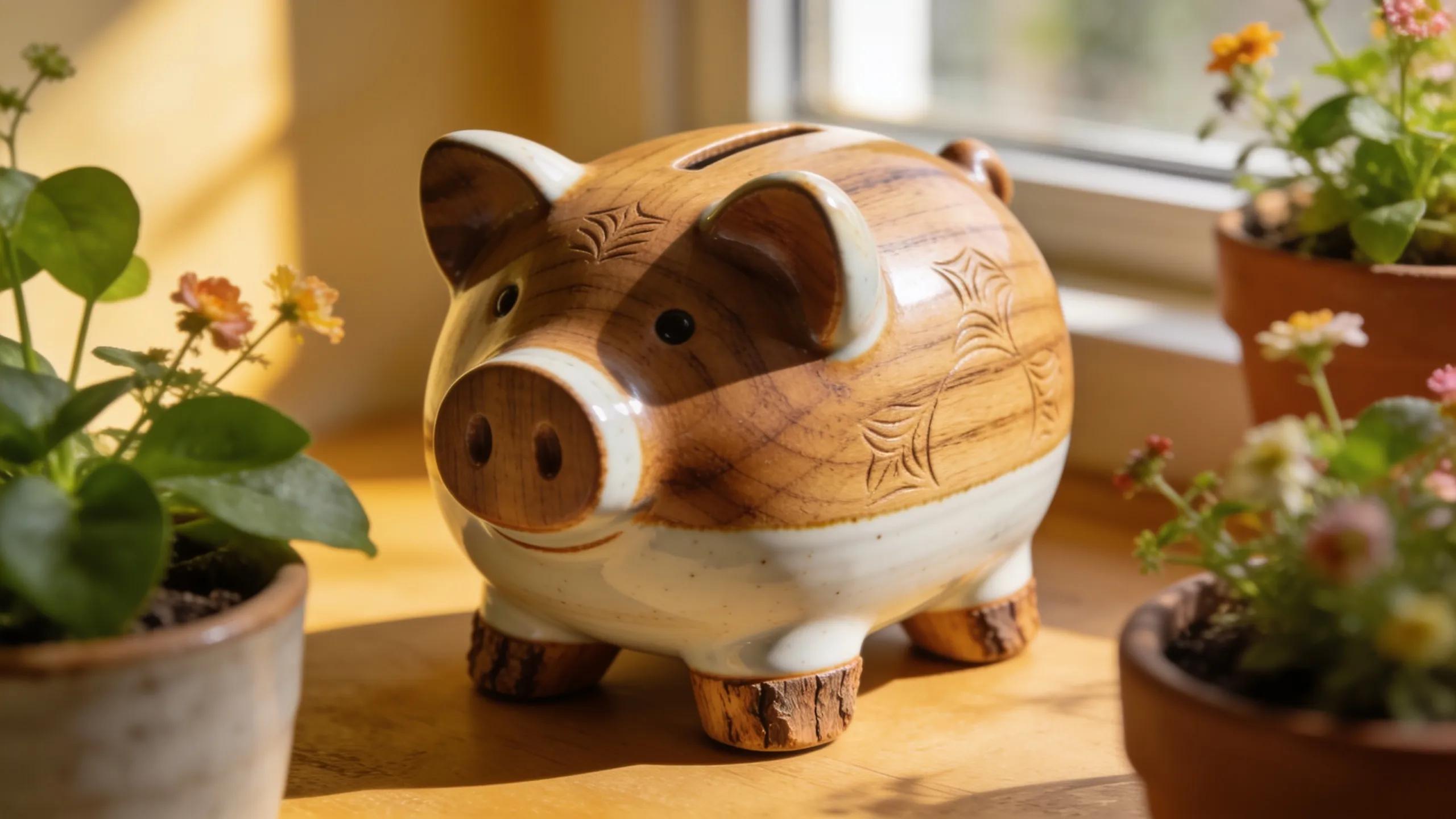
Eco-friendly handmade piggy banks are crafted from materials that minimize environmental impact while promoting sustainability. They are designed not only to be functional but also to highlight the artistry behind each unique piece. These piggy banks are often made from sustainable materials and showcase customizable features, enhancing their appeal to consumers who value uniqueness and green practices. Handcrafted from materials like ceramics, wood, and recycled components, these piggy banks exemplify a commitment to the environment while encouraging positive saving habits.
Which Materials Are Used in Sustainable Piggy Banks?
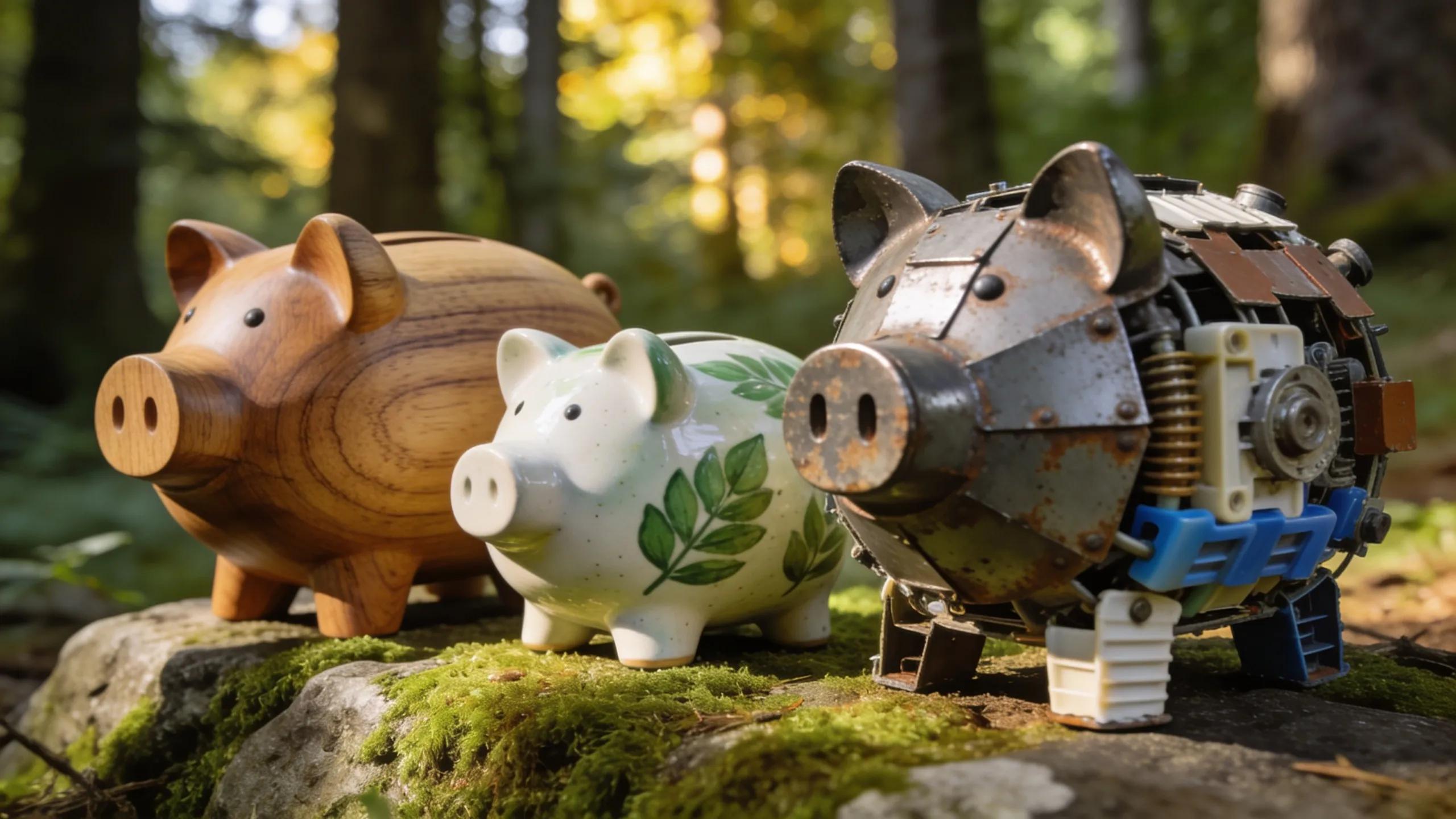
Various materials characterize sustainable piggy banks, turning them into eco-friendly household items. Common choices include:
- Wood: Sourced from managed forests, wooden piggy banks not only provide durability but also add a natural aesthetic to savings.
- Ceramics: Often handcrafted using traditional techniques, ceramic options come with unique artistic designs while still being made with eco-conscious practices.
- Recycled Materials: Incorporating upcycled items into designs, these piggy banks reflect innovative thinking in reducing waste.
Through the thoughtful selection of these materials, artisans foster a more sustainable approach to everyday savings.
How Does Artisan Craftsmanship Enhance Product Uniqueness?
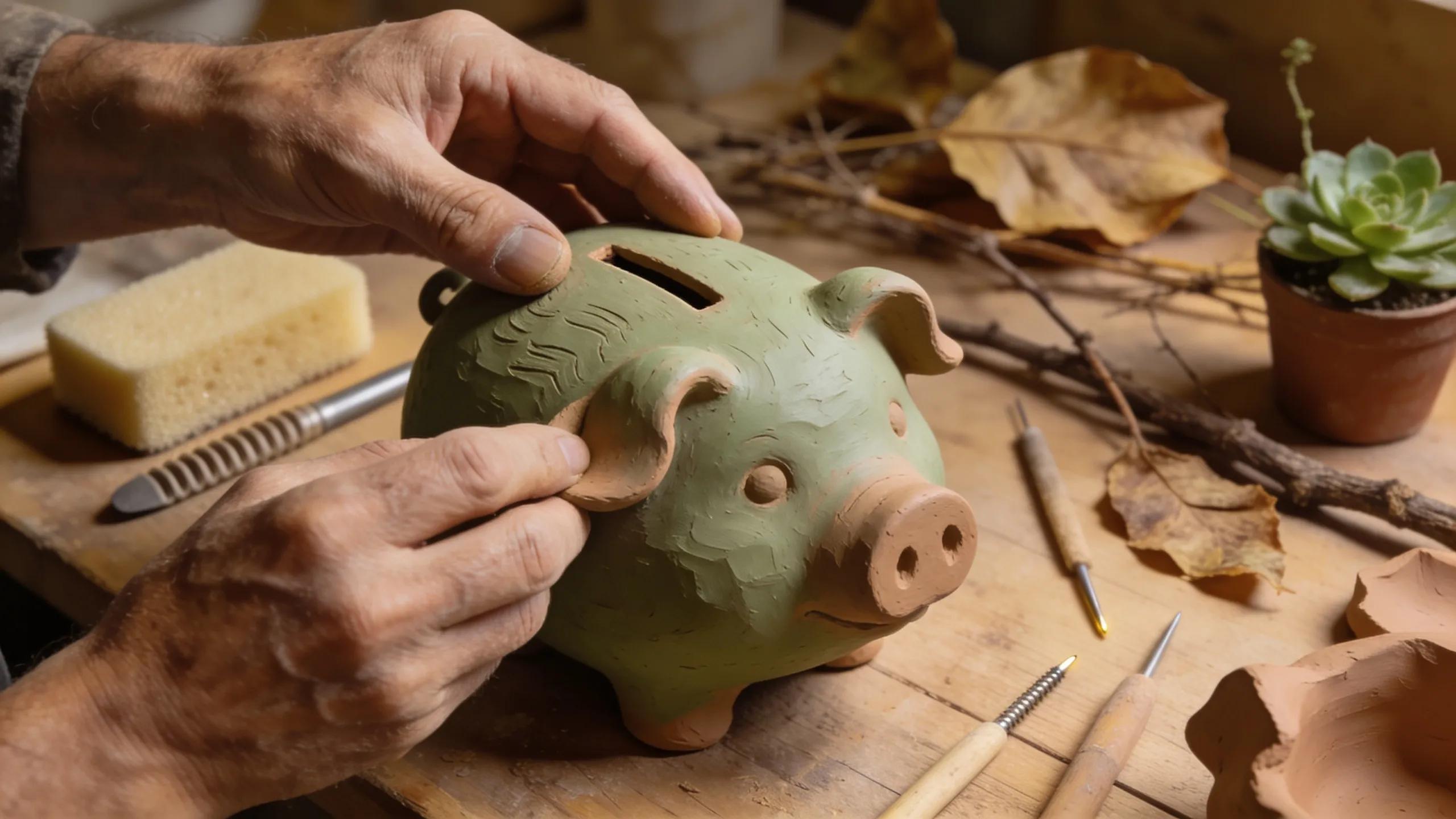
Artisan craftsmanship plays a critical role in the allure of handmade piggy banks. Each piece is influenced by cultural techniques and personal stories, making every product unique. This craftsmanship provides several advantages:
- Unique Designs: Personalized touches and unique craftsmanship ensure no two piggy banks are exactly alike, appealing to those who value individuality.
- Cultural Significance: Many craftspeople incorporate traditional techniques that reflect their heritage, connecting buyers to the artisan's story.
- Connection to Nature: The use of natural materials enhances each piggy bank's uniqueness and aesthetic, bringing a bit of nature indoors.
These elements combined create a product that resonates emotionally with consumers, encouraging them to invest in sustainable practices.
Why Choose Artisan Eco Piggy Banks for Sustainable Savings?
Artisan eco piggy banks serve multiple purposes for customers looking to merge savings with sustainability. By choosing these handcrafted items, consumers not only promote eco-friendly practices but also support local artisans and their craftsmanship.
What Are the Benefits of Using Green Savings Banks?
Using eco-friendly piggy banks offers substantial benefits:
- Promotes Sustainability: By supporting products made from sustainable materials, consumers actively contribute to environmental conservation.
- Encourages Saving Habits: Having a visually appealing bank often motivates individuals, particularly children, to save more consistently.
- Personal Connection: Customizable features allow individuals to create a piggy bank that resonates personally with them or as a gift.
Through these features, eco piggy banks not only become practical saving tools but also advocates for preserving the planet.
How Do Handmade Piggy Banks Support Sustainable Gift Giving?
Handmade piggy banks make excellent eco-friendly gifts, suitable for various occasions, including birthdays, holidays, and special events. Gift-giving can often lead to overconsumption, but selecting sustainable items like these artisanal banks allows individuals to:
- Promote Sustainable Practices: Sharing eco-conscious products encourages recipients to consider their purchasing behaviors.
- Support Local Artisans: Purchasing these banks directly supports small businesses and artisans, fostering a more equitable economy.
- Spark Conversations: Gifting an artisan handcrafted item can open discussions about sustainability, craftsmanship, and value in our consumer society.
Opting for these thoughtful gifts illustrates a commitment to sustainability while minimizing environmental impacts.
How Are Eco-Friendly Piggy Banks Crafted and Sold Globally?
The crafting and sales processes for eco-friendly piggy banks blend traditional methods with innovative practices to meet global demand. Artisans around the world utilize a variety of techniques to create these unique savings solutions.
What Sustainable Techniques Do Artisans Use in Production?
Artisans often employ sustainable techniques in crafting eco-friendly piggy banks, focusing on reducing their carbon footprint:
- Upcycling Materials: Many artisans use discarded items, breathing new life into materials that might otherwise end up in landfills.
- Responsible Sourcing: Choosing sustainably harvested wood and environmentally safe glazes ensures that the production process has minimal environmental impact.
- Local Production: By manufacturing locally, artisans decrease transportation emissions and support their local economies.
These methods ensure that every step of the production process contributes to a more sustainable end product.
For example, the article below discusses how recycled materials can be transformed into creative and functional items, such as piggy banks.
DIY Piggy Banks from Recycled Cans
This article describes the different types of handicrafts that can be made from used cans, such as flower pots, pencil holders, piggy banks, and decorative lamps. In addition, this article also provides a step-by-step guide on how to make some simple handicrafts from used cans.
Handicrafts from Used Cans, CJ Panjaitan, 2024
How Does Direct-to-Customer Sales Foster Sustainable Commerce?
The rise of direct-to-customer sales significantly impacts the sustainable marketplace. This model allows artisans to connect more personally with their audience, offering unique benefits:
- Reduced Carbon Footprint: Eliminating middlemen reduces transportation requirements and associated emissions.
- Fair Pricing for Artisans: This method allows artisans to receive a fair price for their craftsmanship, promoting livelihood sustainability.
- Consumer Transparency: Direct sales foster trust, as consumers can learn about the artisans' practices and commitments to sustainability.
This shift not only enhances consumer relationships but also aligns with eco-friendly principles by promoting sustainable production and purchasing practices.
What Should Retailers Know About Marketing Unique Eco Piggy Banks?
To successfully market artisan eco piggy banks, retailers must understand how to connect the products to consumer values around sustainability and craftsmanship. An effective strategy encompasses highlighting the unique aspects of these products while emphasizing their environmental benefits.
Which Features Attract Business Owners to Artisan Eco Products?
Retailers can capitalize on several key features that resonate with eco-conscious consumers:
- Artistic Uniqueness: Emphasizing the one-of-a-kind nature of each bank appeals to buyers seeking distinct gifts or personal items.
- Sustainable Materials: Marketing these products as eco-friendly meets the growing consumer demand for sustainable goods.
- Support for Local Artisans: Sharing stories about artisans not only builds a connection but also enhances brand loyalty.
By focusing on these features, retailers can effectively draw attention to the value these unique products offer.
How Can Customer Testimonials Build Credibility for Eco-Friendly Products?
Utilizing customer testimonials can significantly enhance a product's credibility within the eco-friendly market. By sharing positive experiences and stories associated with using artisan eco piggy banks, businesses can:
- Build Trust: Potential customers are more likely to purchase when they see authentic reviews from satisfied buyers.
- Provide Social Proof: Highlighting testimonials showcases the community around the product, increasing its perceived value.
- Encourage Repeat Business: Satisfied customers are likely to return and offer recommendations based on their positive experiences.
Incorporating testimonials into marketing strategies can help solidify the place of these eco-friendly products in the marketplace.
The increased adoption of eco-friendly handmade piggy banks stands as a testament to the desire for more responsible saving habits. By embracing these unique products from brands like Golden Pigs, individuals can foster sustainability while supporting artisanal craftsmanship. As consumers, selecting sustainably crafted banks not only enhances personal savings but also contributes positively to environmental wellness.